By Bennet Bodenstein
In this column I intend to destroy one of the wine commandments that experts, real or self-styled, live by. there are many “things” about wines that have come up from the dark ages that have no reason to even exist in today’s modern world. I am going to take off my wine columnists’ hat and put back my engineer’s hat and explore one of the greatest conundrums of the wine industry that has plagued it for centuries. What is the best way to seal a bottle of wine?
Tradition and traditionalists insist on cork stoppers, a method used for centuries to successfully seal a wine bottle. Prior to World War II, wine was considered to be the “play toy” of the rich and famous or a product directed s at specific or religious or ethnic groups. American soldiers were exposed to wine while in Europe during that war and they brought that experience and interest in wine home with them to a country that a mere ten years before had lived during the zero alcoholic beverage Prohibition laws. With the soldiers came all of the rules and formalities of wine and the wine rituals. That was then, this is now, so I intend to rectify and perhaps even change some of the misconceptions about wine closures.
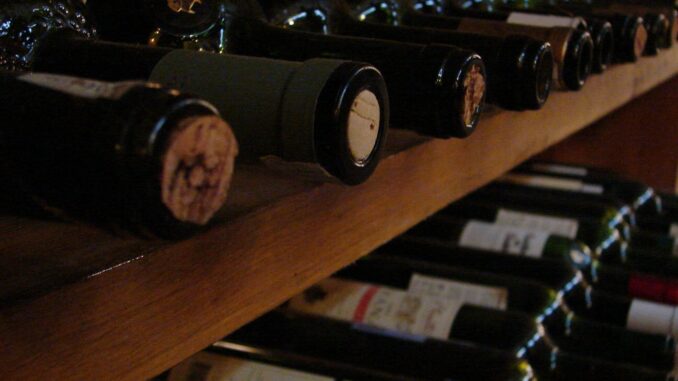
I start with the cork which happens to be among the poorest stoppers that could have been used. Unfortunately, in bygone times, it was the only solution available. Cork comes from the bark of a tree and therefore it has been exposed to the elements, bacteria, bugs and bird droppings. Cork is a natural vegetable product that, in time, will rot. That is why the older corked bottles of wine collectors must be periodically returned to the producer to have a new cork inserted and any wine lost by evaporation replaced every thirty years to prevent a rotting cork from ruining the wine; a costly but necessary process.
So what should we use to seal a wine bottle? The ancient Greeks and Romans, who were known to have been avid wine drinkers, would put their wines into clay jars called amphora and then pour a bit of olive oil into the container which would float on top of the wine thus sealing the wine from the air. Not the greatest seal but it worked for them. In 1973 Inglenook Vineyards took a chance and sealed their half bottles of Cabernet Sauvignon with a screw top closure. Needless to say, the wine languished on dealer’s shelves, completely rejected by the wine aficionados and public alike. This rejection was not because of the quality of the wine but because the screw top was an insult, and often an indicator of a cheap product. That rejection was a lesson learned by the entire wine industry and screw tops were totally rejected by most of the wine producers. That rejection continued until an investigation and experimentation by a California university proved that wine in a screw top bottle was less likely to spoil, need not be laid down to keep a cork moist and would stay fresh a much longer time than wines sealed with cork. The unfortunate experience of Inglenook still took some time to be eradicated, and the screw top became the stopper of choice initially for the low priced wines, then for the moderately priced wines and slowly began to be accepted by most of the industry until today when screw top bottles of the better wines are becoming a common sight.
There are benefits to the use of screw top closures. The unopened bottles of wine do not need to be stored lying down, there is no chance of rotting corks ruining the wine and no longer the need for a bulky wine rack. There is also no need for a special piece of equipment, the corkscrew, which inevitably gets lost, to open the bottle. Another benefit is if the bottle is only partially consumed, just screw on the stopper and put it in the refrigerator where it could stay for several days without any noticeable deterioration.